






Energy & Mental Focus
Aromatherapy for Work From Home Focus
Create a simple desk ritual with an Atomiser, Revive blend, and De-Stress Mind Mood Mist to support energy, clarity, and calmer productivity at home.

Why Focus Feels Harder When Working From Home
Working from home has plenty of advantages, but staying focused is not always one of them. Between household distractions, back-to-back video calls, screen fatigue, and the lack of a clear “start work” signal, it can be difficult to shift into a productive mindset.
At home, the boundaries between work and personal life can blur quickly. Your desk may also be your dining table, your living room may become your meeting room, and your brain may struggle to separate home mode from focus mode.
Common work-from-home focus challenges include:
- Mental fatigue from long screen sessions
- Difficulty starting work in the morning
- Energy dips after lunch
- Distractions from household tasks
- Lack of transition time between meetings
- Feeling mentally scattered or overstimulated
How Aromatherapy Can Support Work From Home Focus
Aromatherapy for focus is not about forcing productivity. It is about creating sensory cues that help your mind recognise when it is time to concentrate, reset, or re-energise.
Scent is closely connected to memory, mood, and routine. This makes aromatherapy especially useful for creating intentional work habits. You might use an energising aroma when you sit down at your desk in the morning, a calming mist before a meeting, or a refreshing blend when you hit an afternoon slump.
Focus ritual tip
Use the same scent at the same point in your workday. Over time, this repeated sensory cue can help your workspace feel more intentional and easier to settle into.
The Best Aromatherapy Desk Ritual for Focus
A strong work-from-home aromatherapy ritual should be simple enough to do every day. A few intentional moments can make your workspace feel more focused, energised, and calm.
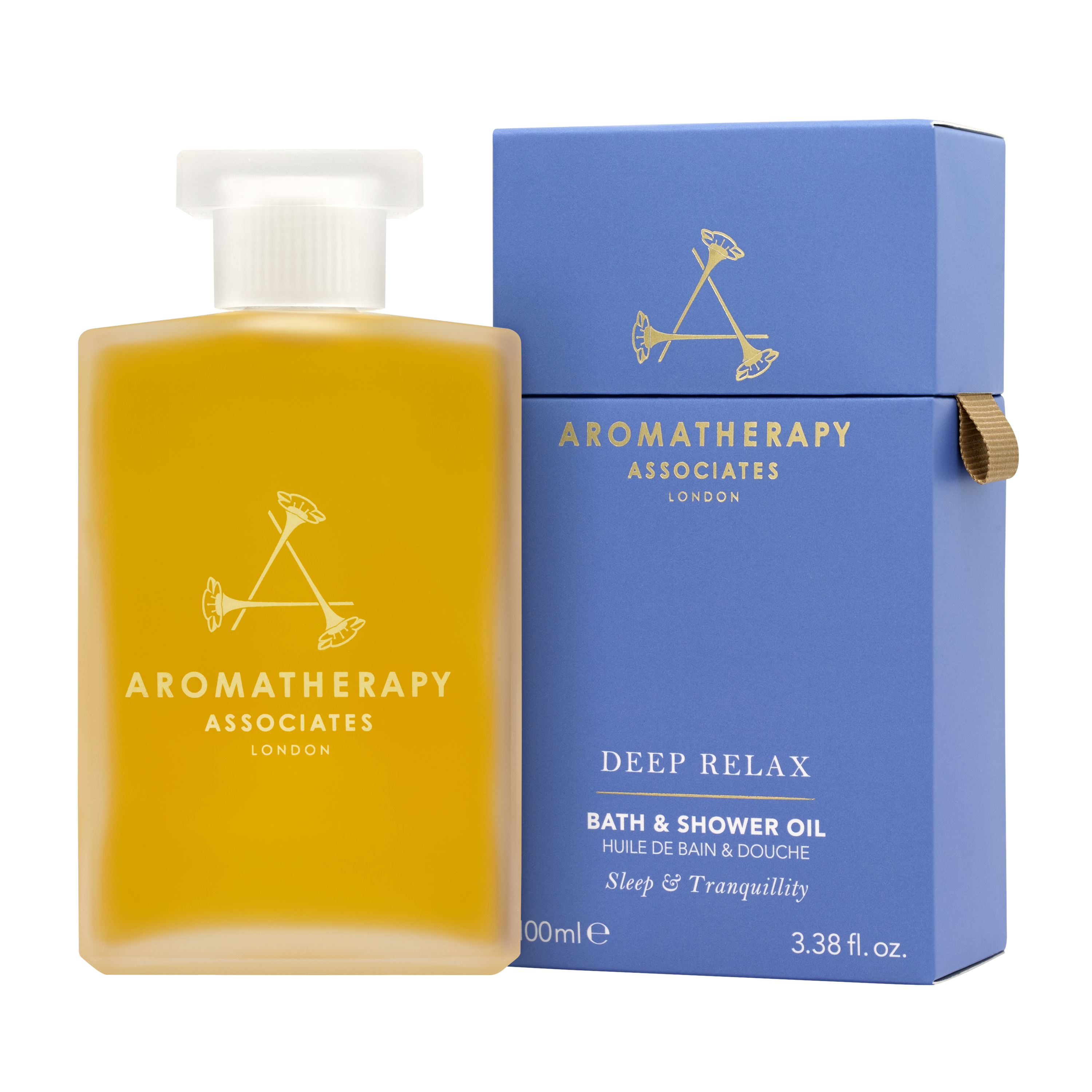
For an easy desk ritual, combine an Atomiser, Revive blend, and De-Stress Mind Mood Mist.

1. Start with an Atomiser
Use an Atomiser in the morning to create a clear transition from home life into work mode.
Shop Atomiser
2. Add Revive
Use Revive when your workspace needs to feel brighter, fresher, and more energised.
Shop Revive
3. Mist with De-Stress Mind
Use De-Stress Mind Mood Mist before meetings, after stressful calls, or during screen breaks.
Shop Mood MistStep 1: Start Your Morning with an Atomiser
An Atomiser is ideal for a work-from-home desk because it can disperse aroma into your space without needing a complicated setup. Place it near your workspace, add your chosen blend, and let the scent become your signal that the workday has begun.
- Tidy your desk before opening your laptop.
- Turn on your Atomiser with an energising blend.
- Write down your top three priorities for the day.
- Begin with one focused work block before checking non-urgent messages.

Step 2: Use Revive When Energy Starts to Dip
Even the most productive workday can lose momentum by mid-morning or mid-afternoon. This is where an uplifting aromatherapy blend like Revive can fit naturally into your routine.
Use Revive when you need to reset after a long meeting, refresh your desk space before deep work, re-energise during an afternoon slump, or create a brighter mood before creative tasks.
Suggested Revive desk ritual
When you notice your focus dropping, pause for two minutes. Turn on your Atomiser with Revive, stand up, stretch, take a few slow breaths, and choose one specific task to complete next.
Step 3: Mist Your Space with De-Stress Mind Mood Mist
While Revive is ideal for energising your desk space, De-Stress Mind Mood Mist gives your work-from-home ritual a calmer, more grounding dimension.
This makes it especially useful for moments when your focus is being affected by stress, mental overload, or too many competing priorities.
- Use it before a busy meeting.
- Use it after a difficult call.
- Use it when your thoughts feel scattered.
- Use it before switching into deep work.
- Use it during a short screen break.
- Use it at the end of the workday to mark the transition out of work mode.

Create a Work From Home Focus Bundle
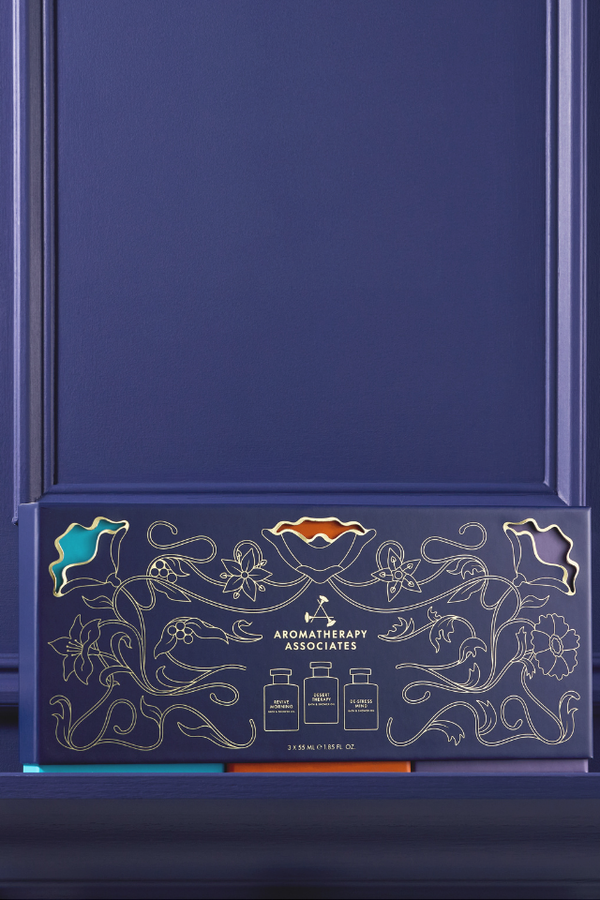
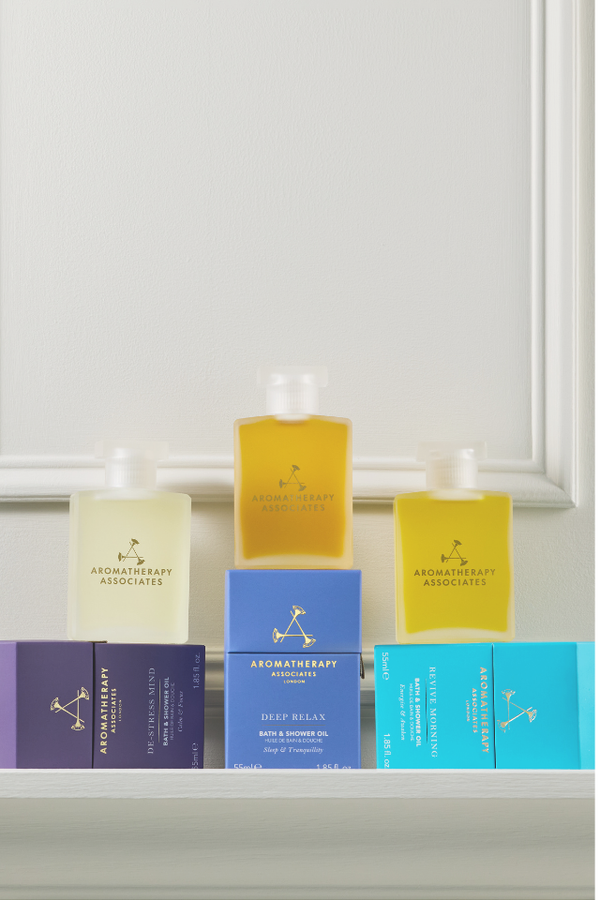
For the strongest routine, combine all three products into a simple desk ritual bundle: Atomiser, Revive blend, and De-Stress Mind Mood Mist.
Desk Ritual Bundle
Build a workspace ritual that supports energised mornings, clearer deep work, calmer meetings, and smoother end-of-day transitions.
| Workday Moment | Product | Purpose |
|---|---|---|
| Morning start | Atomiser + Revive | Create a focus cue and energise your workspace. |
| Before deep work | Atomiser + Revive | Support concentration and task momentum. |
| Before meetings | De-Stress Mind Mood Mist | Create a calmer, more composed mindset. |
| After stressful calls | De-Stress Mind Mood Mist | Refresh your space and reset emotionally. |
| Afternoon slump | Atomiser + Revive | Rebuild energy for the next task. |
| End of day | De-Stress Mind Mood Mist | Signal the transition out of work mode. |
How to Build a Focus-Friendly Workspace with Aromatherapy
Aromatherapy works best when your environment supports focus too. To make your desk ritual more effective, pair scent with simple workspace habits.
1. Keep Your Desk Clear
A cluttered desk can make it harder to concentrate. Before turning on your Atomiser, remove anything you do not need for your next work block.
2. Use Scent at the Same Time Each Day
Consistency helps build the ritual. Use Revive in your Atomiser when you start work, then repeat the same cue before deep focus sessions.
3. Match Your Scent to Your Task
Use Revive when you want your workspace to feel brighter and more energised. Use De-Stress Mind Mood Mist when you want to create a calmer, more settled environment.
4. Create a Meeting Reset
Before a call, mist your workspace with De-Stress Mind Mood Mist, take three slow breaths, and review your meeting goal. This turns a rushed transition into a more intentional one.
5. End the Workday Deliberately
Working from home can make it hard to switch off. Use De-Stress Mind Mood Mist as a closing ritual, shut down your laptop, and tidy your desk to signal that the workday is complete.
When to Use Aromatherapy During the Workday
Aromatherapy can fit naturally into the rhythm of your day. The key is to use it intentionally rather than constantly.
| Time of Day | Suggested Ritual |
|---|---|
| Morning start | Use your Atomiser with Revive to create a clear beginning to your workday. |
| Before deep work | Turn on your Atomiser, silence notifications, and focus on one priority task. |
| After lunch | Use Revive to refresh your space and help shift back into work mode. |
| Before meetings | Mist your space with De-Stress Mind Mood Mist as a quick calming ritual. |
| Mid-afternoon | Use your Atomiser and Revive blend to support renewed energy. |
| End of day | Mist your workspace with De-Stress Mind Mood Mist to mark the transition from work time to personal time. |
Frequently Asked Questions
Can aromatherapy help with focus while working from home?
Aromatherapy can support focus by creating a consistent sensory cue for work, reset, or energy. It works best when paired with habits such as desk organisation, focused work blocks, and regular breaks.
What is the best way to use aromatherapy at a desk?
An Atomiser is one of the easiest ways to use aromatherapy at a desk. Add your chosen blend, such as Revive, and use it at specific points in your day, like your morning start or afternoon reset.
Is De-Stress Mind Mood Mist useful for work focus?
Yes. De-Stress Mind Mood Mist is useful when stress, tension, or mental overload makes it harder to focus. It can be used before meetings, after difficult calls, or during screen breaks to refresh your workspace and support a calmer work rhythm.
What aromatherapy products are best for working from home?
A strong work-from-home aromatherapy setup includes an Atomiser for your desk, an energising blend like Revive, and De-Stress Mind Mood Mist for calmer reset moments throughout the day.
How often should I use aromatherapy while working?
Use aromatherapy at intentional moments rather than continuously. Good times include the start of the workday, before deep work, after lunch, before meetings, and when closing your workday.