







How scent can help you sleep better
A restful night rarely begins the moment your head touches the pillow. It starts earlier, in the quiet rituals that allow body and mind to slow down.
As the day softens and light fades, your senses begin to guide you towards rest. Among them, scent is the most instinctive. It does not demand attention, yet it quietly shapes how you feel, how you breathe, and how easily you let go.
When used with intention, fragrance becomes more than a finishing touch. It becomes a signal. One that gently guides you from the rhythm of the day into the stillness of night.
Key Takeaways
- Scent is closely linked to emotion and memory, making it a powerful part of an evening wind down.
- A consistent bedtime fragrance can act as a cue that it is time to rest.
- Essential oils such as vetivert, camomile, sandalwood, lavender and frankincense are often used for calming evening rituals.
- The most effective sleep routine is built on repeated sensory cues, not a single product.
- Aromatherapy works best as part of a wider environment that supports relaxation and consistency.
Why Scent Supports Sleep
Our sense of smell is directly connected to the emotional centres of the brain. This is why certain scents can feel immediately comforting, grounding or nostalgic.
In the evening, this connection becomes especially relevant.
A familiar fragrance can soften the mood of a space within moments. Over time, when the same scent is experienced night after night, it becomes associated with rest. Rather than forcing sleep, it creates the conditions for it to arrive more naturally.
Why it matters
Scent shapes atmosphere. A space that smells calm and comforting encourages the body to unwind more easily.
Why consistency matters
Repetition builds association. The more consistent the scent, the stronger the signal that the day is complete.
Why ritual matters
A repeated evening rhythm helps transform scent from a fragrance into a familiar cue for rest.
The Three Moments That Shape Your Sleep
Restful sleep is not defined by a single action, but by a sequence.
The Shift
Stage: Wake to Light Sleep (N1)
The transition from day to evening. Lighting softens and stimulation reduces. The mind begins to drift, moving from alertness into the earliest stage of sleep.
Scent role: introduce gentle, calming notes to ease the mind and support the first descent into rest.
The Settle
Stage: Light to Deep Sleep (N2–N3)
The body releases tension. Breathing slows and thoughts soften. This is where sleep deepens, moving into its most restorative phase.
Scent role: deepen the experience with warmer, grounding ingredients that support physical relaxation and sustained rest.
The Signal
Stage: Pre-REM Conditioning
The final cue before complete rest. Through repetition, the body begins to associate this moment with sleep, preparing for deeper cycles including REM.
Scent role: a consistent, familiar fragrance that signals to the body it is time to fully switch off.
"The most effective sleep scent is not the strongest, but the most familiar."
Luke Taylor, Aromatherapy Associates Master Blender
What Are the Best Scents for Sleep?
Each ingredient brings its own character, shaping how a blend supports your evening.

Lavender
Soft and reassuring, lavender is often the first step in helping the mind to quieten. In blending, it is frequently paired with deeper notes to create a more complete sense of calm.

Sandalwood
Warm and grounding, sandalwood encourages stillness. It is particularly suited to evenings where the mind feels active or unsettled.

Vetivert
Rich and earthy, vetivert brings depth. It helps create a feeling of stability, ideal for supporting more restful, uninterrupted sleep.

Camomile
Gentle and soothing, camomile softens the edges of the day, easing moments of tension into calm.

Frankincense
Resinous and serene, frankincense creates space. It supports slower breathing and a more meditative state.

Ylang Ylang
Softly floral and enveloping, ylang ylang adds warmth and comfort, helping the body release lingering tension.


The Role of Blending in Sleep Fragrance
Creating a sleep fragrance is not simply about combining calming ingredients. It is about how a blend unfolds.
At Aromatherapy Associates, blends are carefully balanced to:
- Offer an immediate sense of ease through lighter, softer notes
- Develop into deeper, grounding tones as the evening progresses
- Remain present without overwhelming the senses
This layered approach allows fragrance to support both the transition into sleep and the quality of rest that follows.
What Are the Best Scents To Wake You Up?
Morning scents should feel bright, clear, and quietly energising.

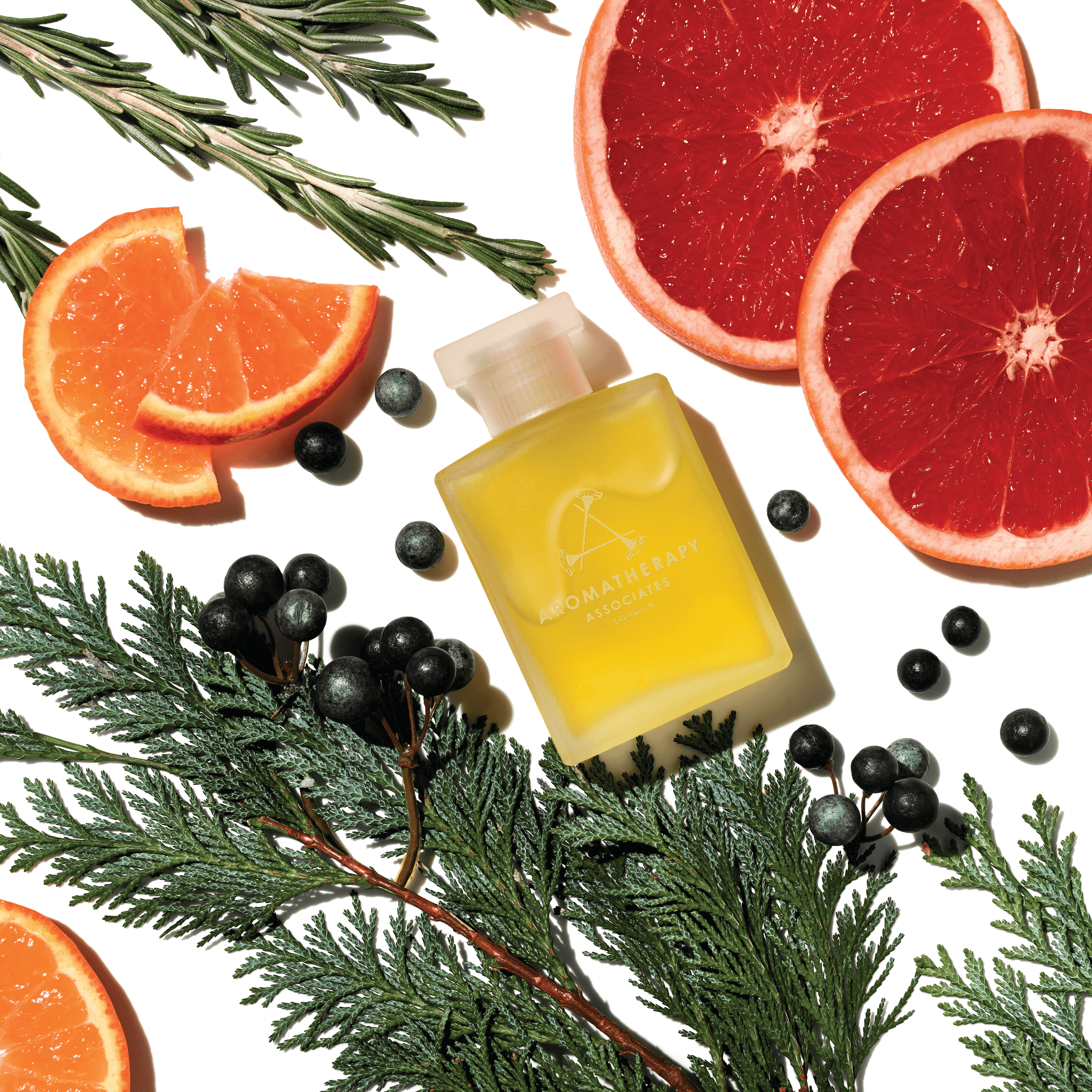
Grapefruit
Fresh and uplifting, grapefruit brings a sense of lightness to the start of the day.

Rosemary
Green and invigorating, rosemary helps bring clarity and focus as the day begins.

Peppermint
Cool and refreshing, peppermint awakens the senses with a crisp, revitalising quality.

Lemon
Clean and simple, lemon offers a clear and refreshing start.

Eucalyptus
Light and airy, eucalyptus creates a feeling of openness and renewal.

Juniper Berry
Fresh with a subtle warmth, juniper berry gently resets the mind, bridging the transition into the day ahead.
How to Build an Evening Ritual with Scent
Aromatherapy works best when it is embedded into a repeatable routine.
Begin with water and warmth

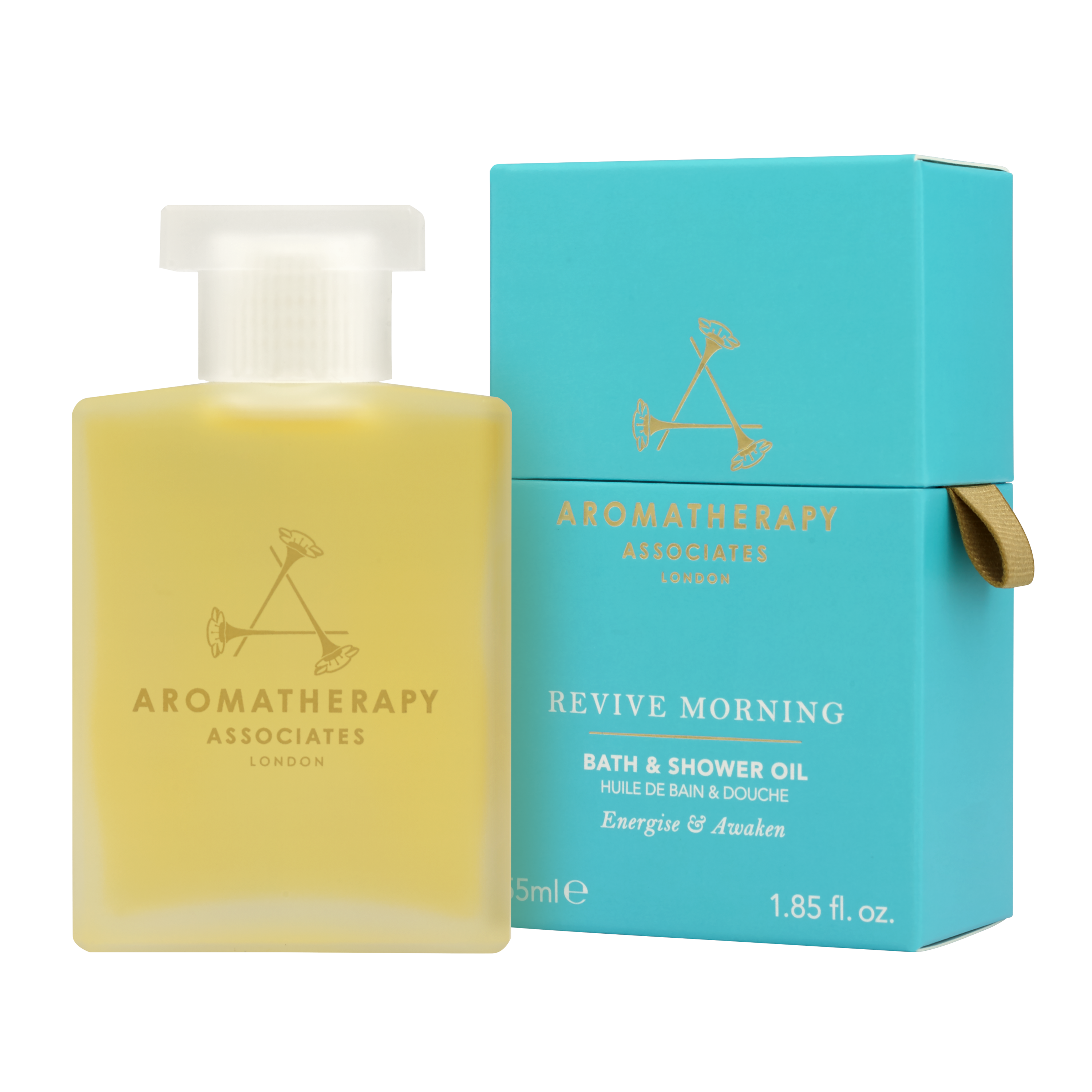
A bath or shower allows essential oils to rise with steam, surrounding the body in fragrance and marking the shift away from the day.
Set the atmosphere

Diffuse a calming blend in your space to create a consistent, comforting environment.
Reinforce the signal

Repeat the same scent each evening to build a strong sensory association with rest.
A Simple Evening Routine
| Step | Action | Benefit |
|---|---|---|
| 1 | Shower or bathe with an aromatic oil | Creates a sensory transition into night |
| 2 | Diffuse a calming blend | Builds a relaxing atmosphere |
| 3 | Dim lighting and reduce stimulation | Supports the body’s natural wind down |
| 4 | Repeat consistently | Strengthens the association with rest |
The objective is to build a consistent evening routine.
What Can Disrupt a Sleep Ritual?
Even well chosen products can feel ineffective if the wider routine is not supportive.
- Using scents that feel too sharp or energising in the evening
- Changing fragrances too frequently
- Introducing scent too late, only at bedtime
- Maintaining bright lights or screen exposure late into the night
- Treating scent as a single action rather than part of an environment
Scent works best when it is integrated into the full rhythm of your evening.
Why Aromatherapy Supports Better Sleep
Aromatherapy brings structure and intention to your evening.
Rather than relying on a single product, it creates continuity across multiple moments:
- Steam infused rituals in the bath or shower
- Gentle diffusion throughout your space
- A final, familiar scent close to you
Together, these layers create an environment where rest feels natural rather than forced.
Over time, this becomes something instinctive. A ritual that signals the end of the day and prepares the body for sleep.
Begin Your Evening Ritual
When scent becomes part of your nightly rhythm, bedtime shifts from a routine to a moment of restoration.
Explore calming blends, grounding oils and sensory rituals designed to help you slow down, reset and prepare for rest.


Frequently Asked Questions
Can scent support a better bedtime routine?
Yes. Scent helps create a calming environment and, when used consistently, becomes a cue that it is time to rest.
What are the best essential oils for sleep?
Lavender, sandalwood, vetivert, camomile and frankincense are commonly used for their calming and grounding qualities.
How should aromatherapy be used before bed?
Aromatherapy can be used through bathing, showering, diffusion and consistent scent exposure throughout the evening.
Should you change your sleep scent regularly?
Consistency is usually more effective than variety when building a strong sleep association.
Why do some sleep scents stop feeling effective?
This is often due to inconsistent use or introducing scent too late in the routine rather than an issue with the fragrance itself.
This article is intended for wellbeing inspiration and sensory ritual guidance. Aromatherapy supports relaxation as part of a broader approach to restful sleep.


