



Why Am I Tense? Causes, Symptoms and Solutions for Muscle Tension
From tight shoulders to lingering muscle aches, tension often reflects how we move, rest and manage stress. Explore what causes muscle soreness and how small, calming rituals can help the body relax and recover.

Muscle soreness has a quiet way of weaving itself into daily life. It may show up as tight shoulders after a long commute, heavy legs after exercise, or a dull ache that lingers at the end of a demanding day. For many, tension becomes so familiar that it is barely noticed until it begins to affect sleep, mood or overall energy.
Muscle tension often develops as a response to stress, prolonged sitting, lack of sleep, dehydration or physical exertion. When the body remains under mental or physical pressure, muscles stay partially contracted, leading to stiffness, soreness and fatigue over time.
While muscle soreness is often associated with working out, it is rarely caused by physical effort alone. Stress, mental overload and lifestyle habits all influence how the body holds tension. Understanding why you feel tense is the first step towards easing discomfort.
Symptoms of Muscle Tension and Soreness
Muscle tension does not always announce itself clearly. In many cases, it builds gradually, settling into the body before becoming more noticeable.
Common symptoms of muscle tension include:
- Persistent muscle ache or muscle soreness in the neck, shoulders, back or legs
- Stiffness or reduced range of motion, particularly after sitting or waking
- Headaches linked to tight neck and shoulder muscles
- Fatigue or a heavy, drained feeling in the body
- Increased irritability or reduced tolerance to stress
- Difficulty relaxing in the evening, often linked to lack of sleep
After exercise, muscle soreness may feel more pronounced. Tenderness or tightness can appear a day or two after working out, leading many people to ask what helps sore muscles after workout or what relieves muscle soreness after a workout. Recovery is influenced not only by physical activity, but also by rest, hydration and nervous system balance.
Causes of Muscle Tension
Muscle tension is rarely caused by a single factor. It is usually the result of overlapping physical, emotional and lifestyle influences.

How does stress cause muscle tension?
Stress is one of the most common causes of muscle tension. When the body perceives pressure, muscles instinctively tighten as part of a protective response. This tension is often felt most strongly in the neck and shoulders.
Ongoing stress management challenges and mental overload prevent the body from fully relaxing, leaving muscles in a semi-contracted state that contributes to soreness and fatigue over time.
Why do muscles ache after exercise?
Exercise is essential for wellbeing, but it can also lead to muscle soreness, particularly when routines change or intensity increases. This explains why muscles ache after exercise, especially in the legs, back or shoulders.
Without adequate recovery, stretching and nourishment, soreness can linger. Understanding how to reduce muscle soreness involves supporting the body before, during and after movement.
How does sleep affect muscle recovery?
Sleep improvement plays a vital role in muscle recovery. During restful sleep, the body restores balance and releases accumulated tension. Lack of sleep or poor sleep quality can heighten sensitivity to discomfort and slow recovery.
If you are exploring how to improve sleep quality or how to improve sleep more generally, addressing muscle tension before bed is often part of the solution.
Dehydration, Nutrition and Emotional Tension
Dehydration can leave muscles feeling tight and uncomfortable, while inconsistent nutrition may slow recovery after exercise. Emotional tension also plays a role. The body often holds stress physically, highlighting the strong mind body connection between emotional load and muscle ache.
Practices such as meditation and mindfulness can gently bring awareness to these patterns and help the body release tension.
Poor Posture and Daily Strain
Long commutes, desk-based work and extended screen time place continuous demands on the body. Holding the same position for hours restricts circulation and encourages muscles to tighten, particularly through the upper body.
Over time, this contributes to persistent neck and shoulder tension.
How to Release Muscle Tension
Relieving muscle soreness is most effective when approached holistically, supporting both body and mind.

Stretching and Somatic Exercises
Gentle stretching helps improve circulation and encourages muscles to gradually soften, making it one of the simplest ways to ease muscle soreness. It is particularly effective after long periods of sitting, commuting or exercise, when muscles can feel tight or shortened.
Simple stretching habits that support muscle relief:
- Stretch slowly, without forcing or bouncing
- Focus on commonly tight areas such as the neck, shoulders, hips and calves
- Hold each stretch for 20 to 30 seconds while breathing steadily
- Stretch little and often, rather than only after intense activity
Somatic exercises take this approach a step further by focusing on awareness as well as movement. Rather than stretching muscles passively, somatic exercises use slow, mindful movements to help the brain recognise and release patterns of chronic tension. They are especially helpful when muscles feel tight even at rest.
Easy ways to use somatic exercises:
- Move slowly and with full attention, rather than repeating fast movements
- Notice how a muscle feels before, during and after moving
- Stop before strain and allow the body to guide the movement
- One common somatic technique is pandiculation.
Pandiculation is a gentle movement that involves slowly tightening a muscle, then releasing it with control and breath. This mirrors a natural movement often seen when the body stretches after rest, such as upon waking. By gently contracting before releasing, the body is reminded how to fully let go, helping reduce long-held muscle tension and restore ease of movement.
A simple way to try pandiculation:
- Gently stretch a muscle, such as lifting the shoulders
- Lightly tighten the muscles for a few seconds
- Slowly release while exhaling, allowing the body to relax fully
Practised regularly, stretching and somatic exercises support muscle tension release, improve body awareness and help prevent soreness from building throughout the day.
Yoga, Meditation and Mindfulness
Yoga combines gentle stretching, deep breathing and mindful awareness, making it especially effective for releasing muscle tension. Rather than pushing the body, it encourages slow, fluid movement that helps tight areas such as the neck, shoulders, hips and lower back soften over time.
Simple ways to use yoga for muscle tension relief:
- Choose slow, grounding styles such as restorative or gentle flow
- Focus on areas that commonly hold tension, including the shoulders, spine and hips
- Hold poses for longer with relaxed breathing, rather than moving quickly
Meditation and mindfulness support muscle tension release by calming mental overload, which often contributes to physical tightness. When the mind slows, the body is more likely to follow.
Easy mindfulness practices to reduce tension:
- Pause for one or two minutes to notice where your body feels tight
- Gently soften those areas without trying to force change
- Practise mindfulness during everyday moments, such as showering or walking
Deep breathing is a central element of both yoga and meditation, helping signal to the body that it is safe to relax.
A simple breathing technique to try:
- Inhale slowly through the nose for four counts
- Exhale through the mouth for six counts
- Repeat for two to three minutes, especially when tension builds
Practised regularly, yoga, meditation and mindfulness strengthen the mind body connection. These small, consistent habits make it easier to recognise early signs of tension and respond with movement, breath or rest before muscle soreness becomes more pronounced.
Deep Breathing and Relaxation Techniques
Deep breathing is one of the simplest and most effective ways to release muscle tension and calm the nervous system. Slow, steady breaths help signal to the body that it is safe to relax, allowing tight areas such as the shoulders, chest and abdomen to soften naturally.
A simple deep breathing practice to try:
- Inhale slowly through the nose for four counts
- Pause briefly at the top of the breath
- Exhale gently through the mouth for six counts
- Repeat for two to three minutes, especially when tension builds
Relaxation techniques work best when they are woven into everyday routines rather than reserved for moments of high stress.
Easy ways to introduce relaxation into your day:
- Take a warm bath or shower in the evening to help muscles unwind
- Try a brief body scan, noticing areas of tension and allowing them to soften
- Create short moments of stillness without screens or stimulation
- Pair relaxation with familiar routines, such as before bed or after exercise
Practised regularly, deep breathing and simple relaxation techniques support stress management, improve sleep quality and help prevent muscle tension from building throughout the day.
What helps relieve muscle soreness after a workout?
Relieving muscle soreness after exercise often comes down to supporting the body gently rather than pushing through discomfort. Small recovery habits, when practised consistently, can make a noticeable difference.
Simple ways to ease muscle soreness after working out:
- Move gently with light stretching or a short walk to keep circulation flowing
- Drink water regularly throughout the day to support muscle recovery
- Allow time for rest between workouts, especially after intense sessions
- Use cooling or warming muscle care to help soothe tired areas
- Slow down with relaxation techniques such as deep breathing to help muscles release
Together, these habits support recovery while reducing lingering tension and fatigue.
Improving Sleep Quality
Quality sleep plays a key role in how the body recovers from physical activity. When muscles are able to relax fully, sleep often becomes deeper and more restorative.
Simple ways to support better sleep:
- Create a calming wind-down routine before bed
- Reduce screen exposure in the hour leading up to sleep
- Stretch gently or practise slow breathing in the evening
- Keep sleep and wake times consistent where possible
By calming the body before bed, you help signal to the nervous system that it is time to rest, supporting both sleep quality and muscle recovery.




Aromatherapy and Targeted Muscle Care
Aromatherapy can work alongside physical practices such as stretching and somatic exercises, particularly when muscle soreness is influenced by stress, mental overload or poor sleep. By engaging the sense of smell, aromatherapy helps signal relaxation to the nervous system, encouraging both physical and emotional release.
Aromatherapy Associates has created blends designed to support physical comfort while restoring a sense of calm. Muscle tension often gathers in areas such as the neck and shoulders during prolonged stress or desk-based work. Their guide on struggling with neck and shoulder tension explores how everyday habits contribute to discomfort and how simple, repeatable rituals can help ease it.
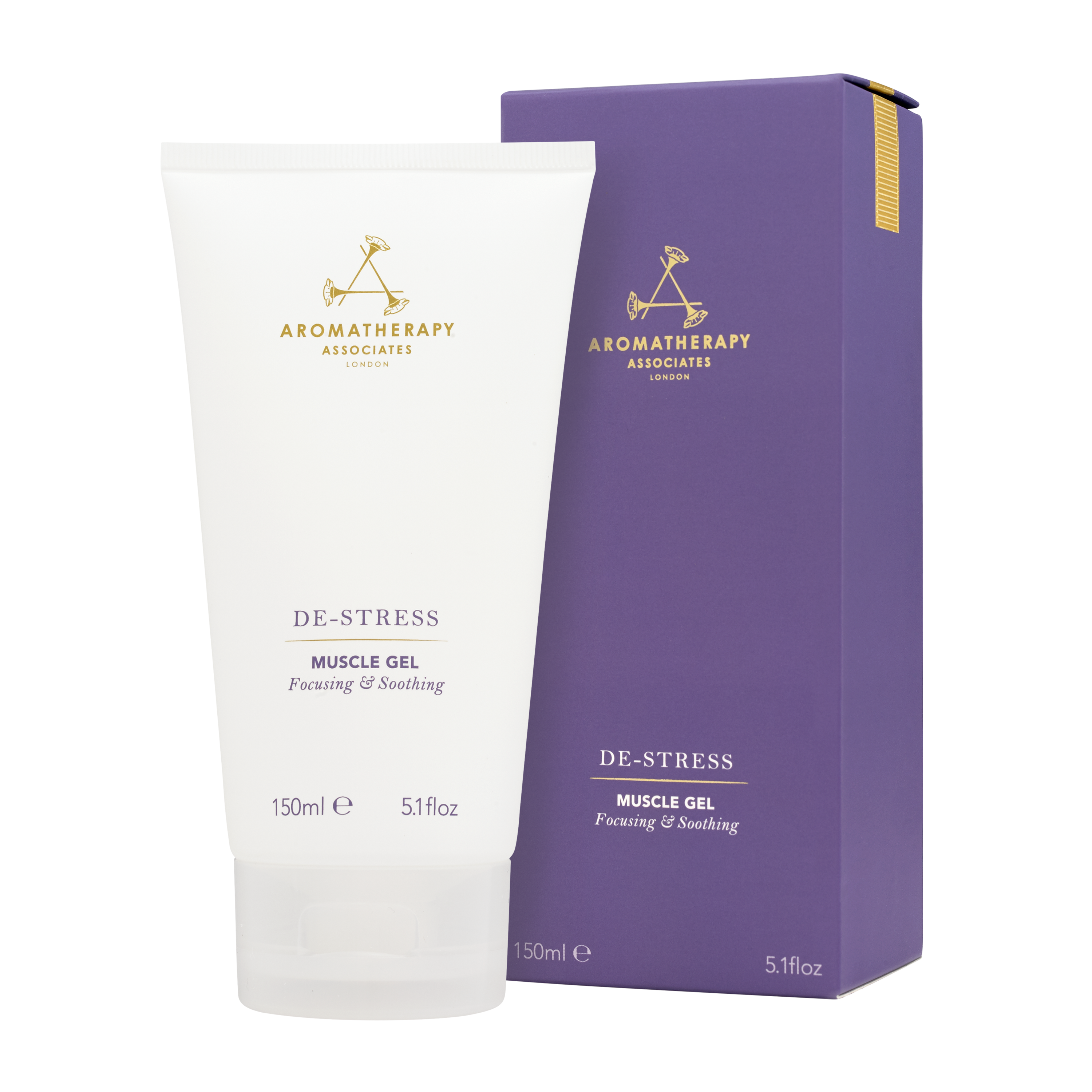
For everyday stress management, the De Stress collection is designed to support moments of pause throughout the day. When muscles feel tired after exercise or physically demanding days, the cooling De Stress Muscle Gel can be applied to areas such as the legs, shoulders or lower back. Using it after stretching or light movement can help soothe muscle soreness and encourage faster recovery.
For a more nourishing approach, the De Stress Body Oil can be used for gentle self massage. Applying the oil with slow, mindful strokes helps warm the muscles, support circulation and encourage the body to release held tension. This ritual can be particularly effective in the evening, when muscle tightness and mental fatigue often overlap.
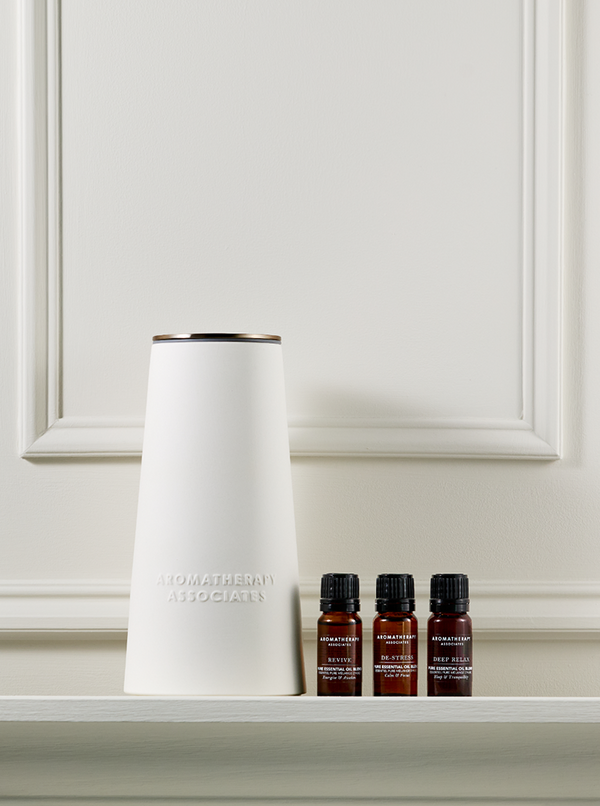
To support moments of mindfulness, the De Stress Pure Essential Oil Blend can be inhaled during meditation, yoga or quiet breathing exercises. Adding a few drops to a diffuser or tissue helps create a calming sensory cue, supporting relaxation and focus.
In the evening, lighting the De Stress Candle can help transition the body into rest. Creating a softly lit, calm environment signals that it is time to slow down, supporting sleep improvement and helping the body fully unwind before bed.
Used consistently alongside gentle movement, hydration and rest, aromatherapy becomes part of a daily wellbeing ritual rather than a quick fix, supporting muscle tension release and helping the body return to balance over time.
Massage and the benefits of touch for muscle tension release

Massage is one of the most effective ways to release muscle tension, particularly when soreness is linked to stress, fatigue or prolonged periods of physical or mental strain. Through skilled touch, massage encourages tight muscles to soften, supports circulation and helps the body transition into a deeper state of relaxation.
Regular massage can be especially beneficial for areas where tension commonly accumulates, such as the neck, shoulders, lower back and legs. By easing tightness and improving blood flow, massage supports muscle recovery after exercise while also helping reduce the underlying stress that often contributes to ongoing soreness.
How massage supports muscle tension relief:
- Encourages muscles to relax and lengthen naturally
- Supports circulation, helping deliver oxygen and nutrients to tired areas
- Helps calm the nervous system, reducing stress-related tightness
- Promotes a stronger mind body connection through intentional touch
For those looking to experience professional massage, Aromatherapy Associates offers a range of treatments delivered by trained therapists. You can find locations offering their treatments through the spa locator, making it easier to incorporate massage into your regular wellbeing routine.
The Intense Muscle Release treatment is a 60 minute restorative massage created for tight, stressed, and aching muscles. Using a combination of Swedish massage and cross muscle fibre techniques, the therapist works with deeper pressure, stretching, and draining movements across the back, legs, and arms to ease areas of persistent tension. Warming essential oils of black pepper, rosemary, and ginger are selected to help heat the muscles and encourage the dispersal of lactic acid associated with stiffness and discomfort. The experience incorporates both a muscle gel and massage oil, supporting physical release while allowing the body to gradually settle into a more comfortable state.
Simple ways to get more from massage:
- Schedule massage during periods of high stress or physical fatigue
- Drink water afterwards to support circulation and recovery
- Allow time to rest after a treatment, rather than rushing back into activity
When combined with gentle movement, relaxation techniques and aromatherapy rituals, massage becomes a powerful way to reset the body, helping muscles feel lighter, more comfortable and at ease over time.
If you find yourself asking why am I tense, the answer is often layered. Muscle soreness and tension reflect how we move, how we rest and how we respond to daily pressures.
By recognising the symptoms of muscle tension and understanding its causes, it becomes easier to respond with care rather than frustration. Gentle movement, relaxation techniques, sleep improvement and calming aromatherapy rituals all play a role in easing discomfort.
Small, intentional changes to how you stretch, breathe and unwind can gradually release tension, helping your body feel lighter, more comfortable and at ease.