




Post-Exercise Recovery: Support Muscle Recovery After a Workout
A low-impact, aromatherapy-led guide to supporting muscle recovery after intense exercise.

Why recovery after a workout matters
Recovery is when your body repairs and resets after exercise.
After a hard workout, your body works to:
- Repair tired muscle tissue
- Calm normal post workout soreness
- Support healthy blood flow
- Help your nervous system settle
When recovery is rushed or skipped, tension can build up instead of easing .
This can show up as:
- Delayed muscle soreness
- Lingering tiredness
- Stiffness
- Less consistent training
Muscle soreness after exercise is common. But if soreness keeps returning, your body may need more support between sessions.
A good recovery routine does not need to be long or intense. Simple habits often work best when you repeat them often.
Focus on four simple areas
- Gentle movement
- Blood flow support
- Warmth and scent
- Rest
This approach works across different fitness levels and workout styles.
What happens during muscle recovery

After strength training, running, or high impact exercise, several things happen in the body.
- Tiny changes happen in the muscles
- The body starts its natural repair process
- Blood flow helps deliver oxygen and nutrients
- The nervous system slowly moves out of alert mode
Recovery is not only about muscles. It is also about helping the body calm down after effort.
When the body feels safe and settled, it can recover more effectively.
Build a simple post workout recovery routine

A good post workout routine should help your body recover. It should not add more pressure.
Focus on light movement, simple stretches, warmth, and rest.
1. Start with gentle movement
Light movement after exercise can help the body cool down. It also helps keep muscles mobile.
Try:
- Slow walking
- Gentle stretching
- Easy mobility movements
- Breathing exercises
Keep it calm. The aim is to help your body shift from effort to rest.
2. Stretch the muscles you used most
Stretching can help ease tightness when done gently.
Keep these points in mind:
- Move slowly
- Do not force the stretch
- Focus on the areas used during training
- Keep each stretch short and steady
Avoid pushing through sharp pain. Recovery should feel supportive, not harsh.
3. Use a foam roller with care
A foam roller can help with body awareness and blood flow. It works best when used lightly.
Best practice:
- Use slow movements
- Avoid sharp or lasting pain
- Do not press too hard
- Use it within a few hours after training
Foam rolling should support recovery. It should not feel like another workout.
Warmth, water, and a bath ritual

Warmth and water can help the body feel softer and more relaxed after exercise.
A warm bath can also become a simple recovery ritual.
When paired with essential oils , the bath supports both body and mind.
Why scent can support recovery
Warm water helps aromatic vapours rise. This makes it easier to breathe in the scent during your bath.
This can help you:
- Slow your breathing
- Feel more grounded
- Create a clear end to your workout
- Move from activity into rest
This is useful after intense exercise, when your body may still feel alert.
Why aromatherapy baths can support post workout recovery
Warm water can support comfort and ease. Aromatherapy adds a sensory layer to the ritual.
When used together, they can help:
- Encourage slower breathing
- Shift attention away from effort
- Create a calming routine
- Support rest days and training days
For delayed muscle soreness, this softer approach can feel more helpful than intense recovery tools.
The key is consistency. A simple ritual used often is easier to maintain.
How to create an aromatherapy bath ritual
Keep your recovery bath calm and simple.
Simple bath ritual
- Run a warm bath, not a hot one
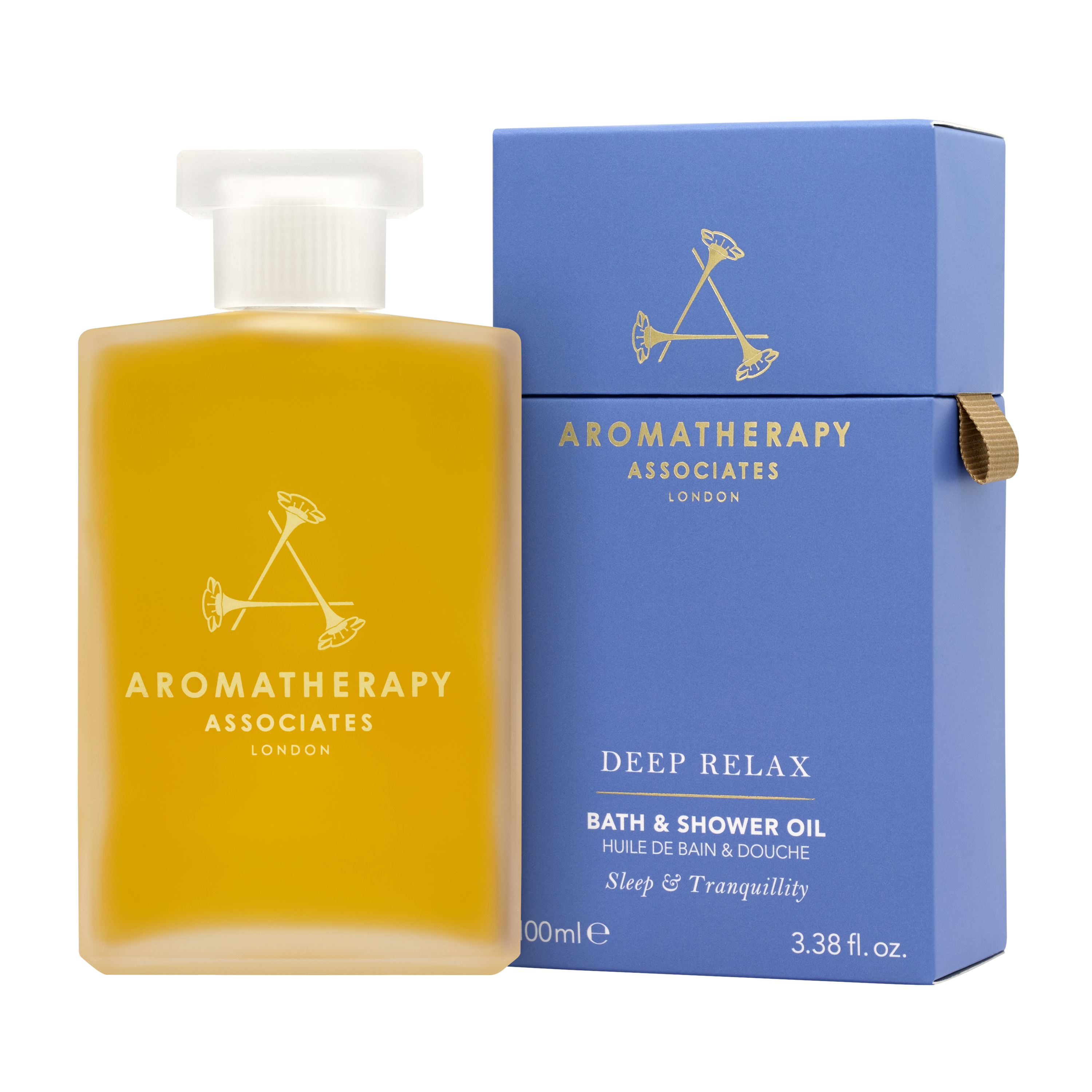
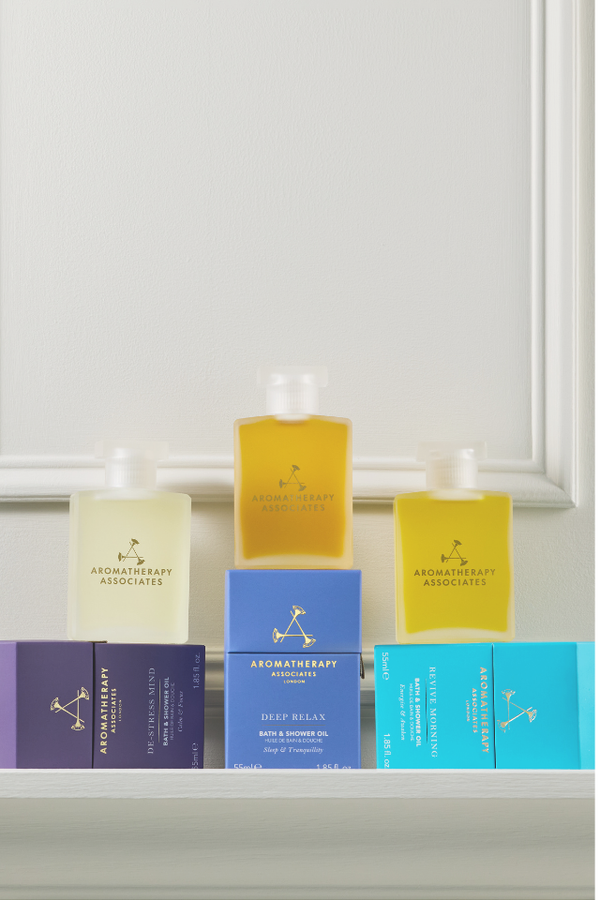
- Add your chosen bath oil or soak
- Spend 10 to 20 minutes in the bath
- Breathe slowly and steadily
- Rest afterwards where possible
Try not to rush back into tasks straight away. Give your body time to settle.
Use sensory cues to support recovery
Recovery can also be supported through touch, warmth, and scent.
These cues can help your body understand that the workout is over.
They can support:
- Local warmth
- Massage
- Comfort in tired areas
- A calmer evening routine
When used with slow breathing, these small cues can help the body move into rest mode.
Targeted muscle gels for post workout recovery
Muscle gels can be useful when you want more focused support.
They combine targeted massage with a clear sensory effect.
A muscle gel can help you:
- Massage specific areas
- Create a warming or cooling feel
- Support tired muscles after training
- Build a quick recovery step when time is short
The gel texture absorbs quickly. This makes it useful when you do not have time for a bath.
Apply it slowly and with care. Pair it with steady breathing to make it feel more like a recovery ritual.
The role of rest days in muscle recovery
Recovery does not only happen straight after exercise. Rest days matter too.
They give the body time to rebuild between sessions.
Why rest days help
- Muscles repair between workouts
- The nervous system gets time to reset
- Energy levels can recover
- Training can feel more consistent over time
Rest is not wasted time. It is part of training.
Common recovery mistakes to avoid
Some recovery habits can add more strain if they are done too hard or too often.
Try to avoid:
- Over stretching tired muscles
- Pressing too hard with a foam roller
- Ignoring rest days
- Treating soreness as something to fight through
- Skipping recovery after lighter sessions
If you are wondering how to recover after a workout, the answer is rarely to do more.
Recovery works best when it reduces load and helps the body settle.
Build a recovery routine you can repeat
The best recovery routine is one you can keep doing.
It should feel calm, simple, and easy to return to.
A simple recovery framework
- Move gently
- Support blood flow
- Use warmth
- Add scent
- Rest well
This helps support muscle recovery without adding extra stress.
It can also fit around different workout styles, fitness levels, and daily routines.


