






Waking up should leave you feeling restored. Yet for many people, the first few moments of the morning are marked by tight shoulders, an aching back, heavy legs or a body that feels reluctant to move.
So, why do you wake up sore and stiff every morning?
Spending several hours in one position can temporarily leave muscles and joints feeling less mobile. Your sleeping position, pillow and mattress support, physical activity, stress, hydration and sleep quality may also influence how your body feels when you first wake up.
Occasional morning stiffness may begin to ease once you start moving. However, soreness or stiffness that occurs every day, lasts for a prolonged period or affects your normal activities should not automatically be dismissed as a normal part of sleeping.
In brief: You may wake up sore and stiff because your body has remained relatively still overnight, your sleeping position is placing strain on certain areas or your muscles are recovering from previous activity. Stress, dehydration, unsuitable sleep support and some underlying health issues may also contribute.
Why Do I Wake Up Sore and Stiff Every Morning?
Morning soreness is rarely explained by one factor alone. It may reflect how you slept, how you moved the previous day and how effectively your body was able to rest and recover overnight.
Common reasons for waking up sore and stiff include:
- Remaining in one position for several hours
- Sleeping in a position that strains your neck, back or hips
- Using a pillow or mattress that does not provide suitable support
- Recovering from exercise or unfamiliar physical activity
- Holding muscle tension during periods of stress
- Not drinking enough fluid throughout the day
- Recovering from an injury or experiencing an underlying health issue
The cause is not always your bed. To understand what may be contributing, consider where you feel the discomfort, how long it lasts and whether movement makes it feel better or worse.

What Is the Difference Between Soreness and Stiffness?
Muscle soreness usually feels like tenderness, aching or discomfort within a particular muscle or group of muscles.
Muscle stiffness often feels more like tightness or resistance when you begin moving. Joint stiffness can feel as though your usual range of movement is temporarily restricted.
These sensations can overlap. Muscles challenged during exercise, for example, may feel both tender and difficult to move the following morning.
Muscle stiffness may be associated with intense activity, periods of inactivity, dehydration, strains and other physical factors. Where discomfort persists or occurs alongside other symptoms, professional medical advice may be needed.
Common Causes of Morning Soreness and Stiffness
Your Body Has Remained Still Overnight
One of the simplest explanations for morning stiffness is that your body has spent several hours relatively still.
During the day, you regularly change position, walk, stretch and move your joints. At night, you may remain in a similar position for a prolonged period. Certain areas can consequently feel less mobile when you first wake up, particularly the lower back, hips, neck and shoulders.
When stiffness is related to inactivity, it may begin to ease as you move around and gradually return to your normal range of movement.
However, remaining still overnight does not explain every case of recurring soreness. If discomfort continues after you have been moving or returns every morning, consider whether another factor may be involved.
Your Sleeping Position May Be Placing Strain on Your Body
Your sleeping position affects how your head, neck, spine and hips are supported throughout the night.
Sleeping on your stomach often requires turning your head to one side for several hours. Curling tightly on your side may also leave the neck, shoulders, hips or lower back feeling restricted.
There is no single sleeping position that is comfortable for everyone. The aim is to find a position that supports your body without forcing any area into an uncomfortable angle.
Small adjustments that some people find more comfortable include:
- Placing a pillow between the knees when sleeping on your side
- Using support beneath the knees when sleeping on your back
- Choosing a head pillow that supports the neck without pushing the head too far forwards
- Avoiding positions that repeatedly place pressure on a sore shoulder or hip
Pay attention to patterns. If you regularly wake with discomfort on one side of your body, your usual sleeping position may be contributing.
Your Pillow or Mattress May Not Provide Suitable Support
A mattress does not need to feel hard to provide support. It should help your body remain comfortable without allowing your spine, shoulders or hips to settle into an awkward position.
A visibly sagging or damaged mattress may contribute to poor alignment. A pillow that is too high, too low or unsuitable for your sleeping position may also leave your neck and shoulders feeling tense.
Your sleep setup may be worth reviewing when:
- The discomfort feels strongest after sleeping in your own bed
- You feel more comfortable after sleeping elsewhere
- Your mattress has visible dips, sagging or damage
- Your symptoms began after changing your mattress or pillow
- You regularly wake with neck, shoulder, hip or lower back discomfort
This does not mean buying a new mattress will necessarily resolve persistent soreness. Sleep support is only one possible factor and recurring symptoms may require professional assessment.
Your Muscles May Be Recovering From Previous Activity
Morning soreness may be connected to something you did one or two days earlier.
Delayed onset muscle soreness, often referred to as DOMS, can develop after exercise or unfamiliar physical activity. It may become noticeable between one and three days after the activity rather than immediately afterwards.
You may experience tenderness, stiffness or a temporary reduction in movement within the muscles you used. This can happen after a structured workout, but it may also follow gardening, carrying heavy bags, moving furniture, walking further than usual or returning to exercise after a break.
Delayed onset muscle soreness usually improves within several days. Severe pain, considerable weakness, swelling or discomfort that continues for a prolonged period may indicate something other than ordinary post exercise soreness.
Stress May Be Creating Physical Tension
Stress does not only affect your thoughts. It can also influence how your body feels.
Muscle tension and pain are recognised physical symptoms of stress. Some people unconsciously tighten their jaw, lift their shoulders or brace their back and abdominal muscles when under pressure.
If this tension continues into the evening, the body may not feel fully relaxed by the time you go to sleep.
Signs that stress may be contributing include:
- Waking with a tight jaw
- Feeling tension across the neck and shoulders
- Finding it difficult to settle at night
- Feeling mentally alert despite being physically tired
- Experiencing tension headaches
A slower evening routine, breathing exercises, gentle movement and sensory rituals can help create a clearer transition between an active day and rest.
For a broader look at the relationship between stress, activity and muscle discomfort, explore our guide to the causes of muscle tension and soreness.
You May Not Be Sufficiently Hydrated
Dehydration may contribute to muscle stiffness, soreness or cramping.
Your fluid needs depend on factors such as your body, activity level, environment and general health. Rather than waiting until bedtime to drink a large amount of water, aim to hydrate regularly throughout the day.
Waking with a dry mouth, darker urine, a headache or considerable thirst may suggest that hydration deserves more attention.
Hydration is only one possible contributor. Drinking more water is unlikely to resolve discomfort caused by an injury, unsuitable sleeping position or underlying condition, but it remains an important part of a balanced daily routine.
An Underlying Health Issue May Need to Be Considered
Not all recurring morning stiffness is caused by sleep habits.
Persistent pain or stiffness can sometimes be associated with an injury, joint condition, medication, infection or another health concern. These cannot be identified from morning soreness alone, and you should not attempt to diagnose yourself based on one symptom.
The duration and severity of the stiffness are particularly important. NHS guidance recommends speaking to a GP when joint pain affects sleep or normal activities, keeps returning, has not improved after home care or when joints remain stiff for more than 30 minutes after waking.
Where Morning Stiffness Commonly Appears
Neck and Shoulders
A stiff neck or tense shoulders may be connected to pillow height, sleeping position, daytime posture or stress.
Notice whether your head feels pushed forwards, tilted upwards or rotated to one side while lying down. Also consider how much time you spend looking down at a phone or sitting at a computer during the day.
Our guide to neck and shoulder tension explores how posture, stress and daily habits can influence this area of the body.
Lower Back
Lower back stiffness may become more noticeable after remaining still overnight. Your sleeping position, mattress support and activity during the previous day may all contribute.
A pillow beneath the knees when sleeping on your back, or between the knees when sleeping on your side, may help some people maintain a more comfortable position.
Hips and Legs
Your hips and legs may feel sore after walking, running, strength training or spending long periods sitting.
Side sleeping can also place pressure on the hip against the mattress. Changing sides and using suitable support between the knees may help reduce this pressure.
Hands and Joints
Joint stiffness that lasts for a prolonged period deserves particular attention.
NHS guidance recommends speaking to a GP if joints remain stiff for more than 30 minutes after waking, particularly when symptoms keep returning or interfere with normal activities.
How to Ease Morning Soreness and Stiffness
When you wake up feeling stiff, avoid forcing your body immediately into deep stretches. Begin with small, comfortable movements and allow your range of movement to increase gradually.

Notice How Your Body Feels
Before getting out of bed, take a moment to identify where you feel soreness or stiffness.
Ask yourself:
- Does the discomfort feel muscular or centred around a joint?
- Does it affect one side or both sides?
- Is there swelling, warmth, numbness or weakness?
- Does gentle movement begin to make it feel better?
- Did you exercise or complete physical work recently?
Recognising patterns can help you understand whether changes to your routine are making a difference.
Begin With Gentle Movement
Move slowly and remain within a comfortable range.
You might begin by rotating your ankles, opening and closing your hands, rolling your shoulders or gently bending and extending your knees.
Once standing, walk around for a few minutes before attempting deeper stretches. Stop if a movement causes sharp pain or makes your discomfort noticeably worse.
Simple morning movement habits include:
- Moving slowly rather than making sudden movements
- Keeping your breathing steady and relaxed
- Avoiding bouncing or forcing a stretch
- Allowing stiffness to ease gradually
- Stopping any movement that causes sharp or increasing pain
Drink Some Water
Have a glass of water as part of your morning routine, particularly if you feel thirsty or did not drink much fluid the previous day.
Continue drinking regularly throughout the day rather than treating one glass of water as a complete solution for recurring discomfort.
Use Warmth as Part of Your Morning Ritual
A warm bath or shower can create a comforting transition from rest into movement.
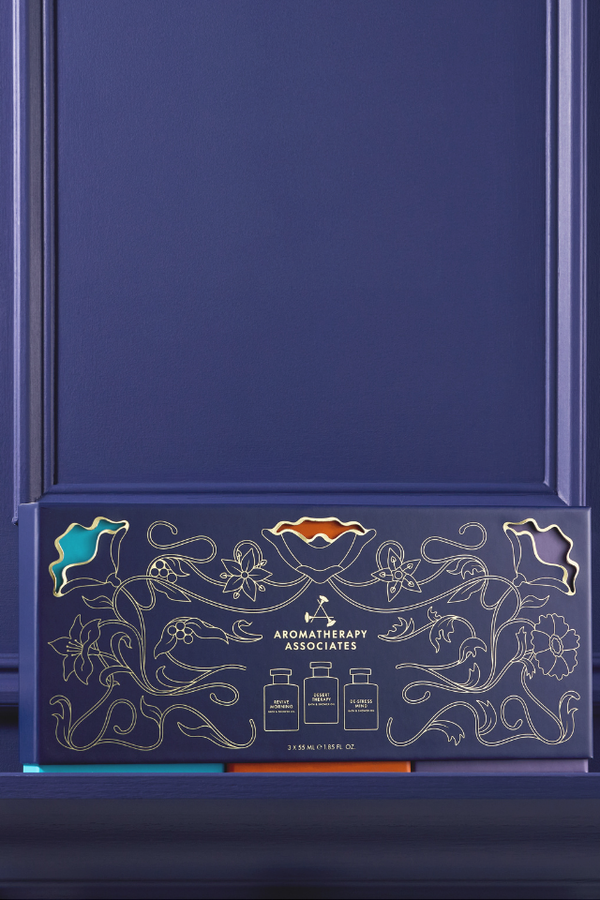
For an uplifting start, apply one capful of Revive Morning Bath and Shower Oil to your torso before entering the water. Cup your hands towards your face, breathe deeply and experience its aromatic blend of Grapefruit, Rosemary and Juniper Berry.
When the body feels particularly tired or overworked, choose De Stress Muscle Bath and Shower Oil, blended with Lavender, Rosemary, Ginger and Black Pepper.
Bath and Shower Oils should be applied before entering the water and before cleansing. Take care when entering or leaving the bath or shower because oils can make surfaces slippery.
Discover the complete ritual in our guide to using Aromatherapy Associates Bath and Shower Oils.




Aromatherapy and Targeted Morning Muscle Care
Aromatherapy can complement physical practices such as gentle movement, stretching and self massage, particularly when soreness overlaps with stress, tiredness or mental overload.
It should form part of a wider wellbeing ritual rather than being presented as a treatment for persistent or unexplained pain.
Create an Uplifting Start With Revive Morning
Revive Morning Bath and Shower Oil combines Grapefruit, Rosemary and Juniper Berry to create a fresh, invigorating aroma.
Applying the oil before a warm morning shower can create a sensory cue that it is time to move from rest into the day.
After showering, follow with Revive Morning Body Lotion, massaging it into the skin with slow, upward movements.
Support Overworked Areas With De Stress Muscle
When muscles feel tired after exercise, travel, gardening or a demanding day, the De Stress collection can be incorporated into a considered body care ritual.
Warming De Stress Muscle Gel combines Capsicum, Arnica, Glycerin and Algae Extract with the aromatic De Stress blend. Massage it into areas that feel tired or tense, following the product instructions.
The massage itself creates an opportunity to slow down, notice how the area feels and apply the product with intention.
For a nourishing evening ritual, De Stress Body Oil can be used for gentle self massage across the shoulders, lower back, hips or legs.
Always follow the individual product instructions and cautions. Cosmetic body care should not be used to mask persistent, severe or unexplained pain.
An Evening Routine for a More Comfortable Morning
Morning stiffness is often easier to understand when you also consider what happened during the previous day and evening.
Add Gentle Movement to Your Day
Long periods of sitting can contribute to stiffness. Change position regularly and include movement that feels appropriate for your body and fitness level.
This might involve a short walk, light mobility exercises or gentle stretching after work.
If you spend much of your day at a screen, explore our practical guide to relieving desk job muscle tension.
Give Your Body Time to Recover
If you have recently increased the intensity of your exercise, allow appropriate recovery time between demanding sessions.
A gradual approach to exercise may reduce the likelihood of repeatedly waking with significant post exercise soreness.
Create a Clear Wind Down Period
Stress related muscle tension may follow you into bed. Allow some space between work, exercise, screen use and sleep.
A warm bath or shower with De Stress Muscle Bath and Shower Oil can create a sensory cue that the active part of the day is ending.
You might also practise slow breathing, reduce stimulating screen use or spend a few minutes gently moving the areas that tend to feel tight.
Review Your Sleep Setup
Check whether your pillow supports your neck and whether your mattress shows visible signs of sagging or damage.
Avoid changing several elements at the same time. Adjusting one part of your sleep setup and observing the result over several nights will make it easier to understand whether it is helping.
Track Recurring Symptoms
When soreness happens regularly, record the pattern for one or two weeks.
You may wish to note:
- Where the soreness or stiffness appears
- How long it lasts after waking
- Your usual sleeping position
- Your physical activity during the previous day
- Your stress and energy levels
- Whether gentle movement improves the discomfort
- Any swelling, weakness, numbness or additional symptoms
This information may also be useful if you decide to speak to a healthcare professional.
Massage and the Benefits of Touch

Massage can create a valuable moment of physical and mental pause, particularly when muscle tension is connected to stress, fatigue or repetitive daily activity.
Slow, intentional touch may help you become more aware of where you are holding tension. It can be incorporated into an evening body care ritual or experienced as part of a professional spa treatment.
Simple ways to incorporate massage into your routine include:
- Using slow, comfortable strokes rather than excessive pressure
- Focusing on areas that commonly hold tension, such as the shoulders, lower back and legs
- Pairing massage with steady breathing
- Stopping if massage causes pain or worsens existing discomfort
- Allowing time to rest after a professional treatment
Aromatherapy Associates treatments are delivered by trained therapists at selected spas. Use our spa locator to find a participating location.
The Intense Muscle Release treatment is a 60 minute body massage created for tight, stressed and tired muscles. It combines massage techniques, stretching and aromatic body care across areas such as the back, legs and arms.
A professional therapist should adapt the treatment to your comfort and individual needs. Inform the therapist of any injuries, health concerns or areas of persistent pain before the treatment begins.
When Should You Speak to a Healthcare Professional?
Morning stiffness should not be ignored when it repeatedly affects your movement, sleep or quality of life.
Speak to a GP when:
- Pain affects your normal activities or sleep
- The discomfort is getting worse or keeps returning
- Symptoms have not improved after two weeks of home care
- Your joints remain stiff for more than 30 minutes after waking
- Stiffness occurs alongside weakness, fever or swelling
Seek urgent advice through NHS 111 or an urgent GP appointment if a joint becomes painful, hot and swollen, particularly if you also feel unwell or have a temperature.
After an injury, seek emergency help if you cannot walk or place weight on the affected joint, the joint appears displaced or you experience tingling or loss of sensation.
Read the current NHS guidance on joint pain and stiffness for further information.
Frequently Asked Questions
Is it normal to wake up sore and stiff every morning?
Occasional stiffness can happen after periods of inactivity, physical exertion or sleeping in an uncomfortable position. However, waking up sore and stiff every morning should not automatically be considered normal.
Pay attention to how long the sensation lasts and whether it affects your ability to move or complete normal activities. Recurring, worsening or prolonged symptoms should be discussed with a healthcare professional.
Why do I wake up sore when I have not exercised?
Exercise is not the only possible cause of soreness. Prolonged inactivity, sleeping position, everyday physical tasks, stress, dehydration, strains and some health conditions may contribute.
Consider your whole previous day, including long periods of sitting, travelling, carrying items or completing repetitive movements.
Can my mattress make me wake up stiff?
An unsuitable, damaged or visibly sagging mattress may contribute to uncomfortable positioning during sleep.
Your mattress may be relevant if you feel more comfortable after sleeping somewhere else or if the discomfort began after changing your bed. Persistent pain should not, however, be attributed to your mattress without considering other possible causes.
Can my pillow cause morning neck and shoulder pain?
A pillow that is too high, too low or unsuitable for your sleeping position may leave your neck at an uncomfortable angle.
Your pillow should support the natural position of your neck without forcing your head too far forwards, backwards or to one side.
Can stress make my body hurt in the morning?
Stress can cause physical symptoms, including muscle tension or pain. Some people unconsciously tighten their shoulders, jaw, back or abdomen during periods of pressure.
Relaxation practices and a calmer evening routine may support general wellbeing, but persistent or unexplained discomfort should still be assessed appropriately.
Should I stretch as soon as I wake up?
Gentle movement may help when stiffness is related to inactivity. Begin slowly and stay within a comfortable range rather than forcing a deep stretch immediately.
Stop if movement causes sharp pain, increasing discomfort, numbness or weakness.
Can dehydration cause morning stiffness?
Dehydration may contribute to muscle stiffness, soreness or cramping. Drinking regularly throughout the day supports normal hydration.
However, hydration will not resolve every cause of morning discomfort, particularly when symptoms are linked to an injury or underlying condition.
How long should morning stiffness last?
There is no single duration that applies to everyone. Brief stiffness that begins to improve as you move may be connected to inactivity or sleeping position.
NHS guidance recommends speaking to a GP if your joints remain stiff for more than 30 minutes after waking. Advice should also be sought when symptoms are recurring, worsening or interfering with daily activities.
Why is my lower back stiff when I wake up?
Morning lower back stiffness may be influenced by prolonged inactivity, sleeping position, mattress support or physical activity from the previous day.
Persistent lower back pain, pain that travels into the legs or symptoms accompanied by numbness, weakness or changes to bladder or bowel control require medical attention.
Listen to What Your Mornings Are Telling You
Waking up sore and stiff may be connected to how you sleep, move, recover and manage stress throughout the day.
Small adjustments to your sleeping position, movement habits, hydration and morning routine may help you recognise what your body needs. Aromatherapy and body care can support a comforting daily ritual, particularly when tired muscles and mental tension overlap.
However, a wellbeing ritual should complement rather than replace appropriate medical care. Persistent or unexplained symptoms deserve professional attention, especially when they affect your movement, sleep or quality of life.