


How to Bring Forest Bathing Therapy Into Your Home

What is Forest Bathing Therapy
“Forest bathing,” or forest therapy, originates from the Japanese concept of shinrin-yoku, which literally means “taking in the forest atmosphere.” It refers to immersing yourself in nature, breathing in the fresh air, and tuning into the natural world to reduce stress and enhance well‑being.
Unlike hiking or exercise-focused outdoor activities, forest bathing emphasizes mindful presence: noticing sounds, textures, scents, and sights to calm the mind and activate restorative responses.
Through various studies, forest therapy has been shown to lower cortisol levels, reduce blood pressure, improve mood, and boost immune function. By bringing the outdoors inside, you can access many of these benefits in your own home environment.

The History of Forest Therapy
The formal practice of shinrin-yoku began in Japan in the early 1980s as part of a national public health program. Researchers and policymakers sought to counter the mounting stress of urbanisation by encouraging forest immersion for its physiological and psychological benefits.
Over decades, studies in Japan, South Korea, the U.S., and Europe have validated forest therapy’s capacity to lower stress markers, improve mood, and enhance overall well‑being.
The concept has since expanded beyond forests: modern interpretations of forest therapy include sensory immersion - like forest sounds, scents, and visuals - in urban or indoor environments. This has given rise to "forest bathing at home", where natural elements are purposefully integrated into everyday living spaces to recreate that sense of serenity and connection to nature.

Bringing Forest Therapy Into Your Home
While nothing quite matches the real forest experience, you can bring forest therapy into your home with intentional design, sensory cues, mindfulness practices, and thoughtful products that evoke natural immersion.
Here are some approaches that we would recommend:
1. Create a Forest-Inspired Ambience
Visuals: Introduce houseplants, living walls, or botanical art. Green tones in decor instantly evoke nature.
Sound: Play ambient forest audio - birds, rustling leaves, distant water - to transport your mind.
Textures: Use natural materials - wood, stone, jute rugs - to ground your senses.
Light: Let in soft, natural light or use warm, diffused lighting that mimics golden sunlight filtering through leaves.
2. Use Forest-Scented Aromas
Aromatherapy can powerfully evoke forest settings through scent. Our Forest Therapy collection offers products designed to transport you mentally into the woods.
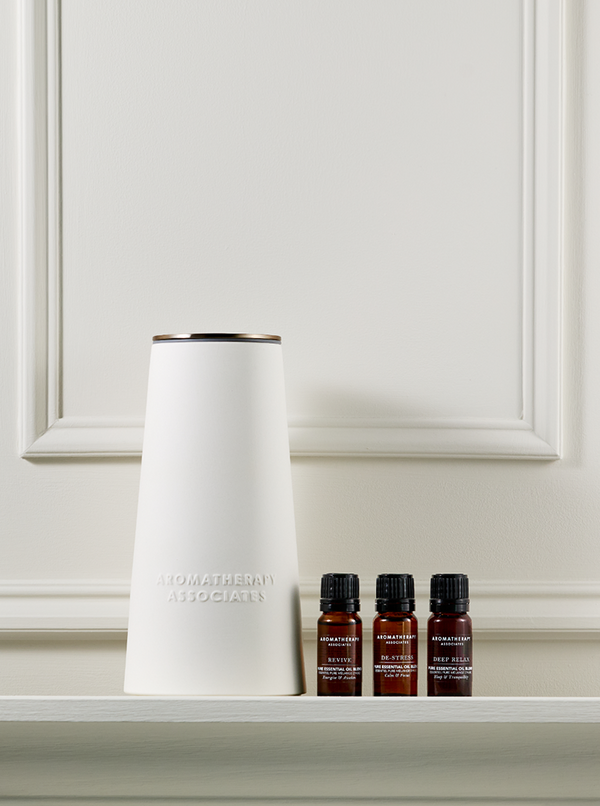
Forest Therapy Pure Essential Oil Blend: Inspired by shinrin-yoku, this essential oil brings together cleansing and restorative Ho Wood, uplifting Pink Pepper, and grounding Cypress.
The blend helps you visualise sitting on a tranquil forest floor, offering emotional benefits like calmness and tranquillity, and physical benefits as the diffusion of fragrance encourages deep, steady breathing.
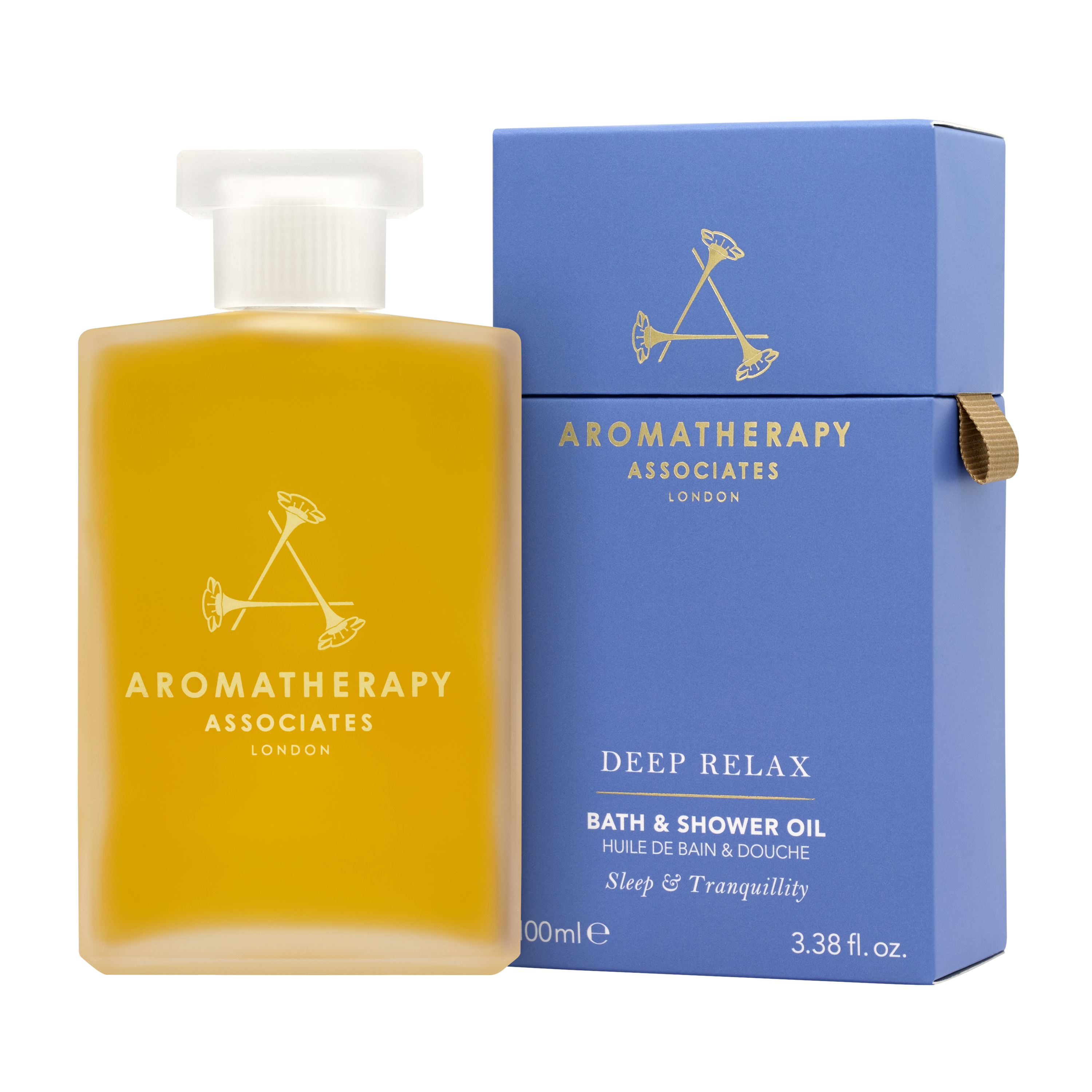
Forest Therapy Bath & Shower Oil: Voted Best Bath Oil in Harper's Bazaar’s 2024 Beauty Best of the Best Awards - apply capfuls on your body before a bath or shower to invite a sensory forest immersion right in your bathroom. This treatment leaves skin luxuriously soft, smooth and smelling blissful.
3. Mindful Rituals & Practices
Diffuse & Reflect: Place the essential oil blend in a diffuser or Atomiser and create a daily ritual: light a candle or dim the lights, sit quietly for 10 minutes, breathe deeply, and imagine being enveloped by forest surroundings.
Forest‑Themed Bath Time: Place a capful of the Forest Therapy Bath & Shower Oil in your hands, massage it into your skin, inhale deeply, then step into a warm bath or shower. Let the scent carry you mentally into the forest, grounding and restoring your mood.
Nature Journaling: Pair your aromatic rituals with journaling or sketching—capture sensations, thoughts, or visuals that the scent evokes.
Mini Forest Corner: Dedicate a small space with a plant, comfortable seat, diffuser or bath oil nearby, and natural visuals. Use it as your daily refuge.
4. Everyday Integration
Forest-inspired Breaks: Even a few minutes of focused breathing with forest sounds and oil diffuse can reset your stress response.
Workspaces: Place a small diffuser with the Pure Essential Oil Blend near your desk to maintain a calm, focused mindset.
Evening Reset Ritual: Start with a forest bath or diffusion, then transition into a wind-down activity like reading or gentle stretching.
By combining sight, sound, and tactile elements, you approximate the sensory immersion of forest bathing - even if your home in a city flat.

Five Frequently Asked Questions About Forest Therapy
What is forest therapy and how does it work?
Forest therapy, also known as shinrin-yoku or forest bathing, is the practice of immersing yourself in a natural environment to engage all five senses. It works by slowing down the nervous system, lowering stress hormones like cortisol, and encouraging mindful presence.
Can forest bathing be done indoors?
While being in an actual forest provides the richest sensory experience, you can absolutely recreate the benefits indoors. Forest bathing at home involves using sensory cues—plants, natural light, forest soundscapes, and aromatherapy blends like Cypress, Ho Wood, and Pink Pepper—to evoke the feeling of being surrounded by nature.
Does forest therapy reduce stress and anxiety?
Research consistently shows that forest therapy can reduce stress and anxiety. Studies from Japan and South Korea demonstrate measurable drops in cortisol (the stress hormone), lower blood pressure, and improved mood after time spent in forest settings.
What essential oils are best for a forest-scented environment?
Essential oils that evoke woodlands and evergreens work especially well. Popular choices include Cypress, Ho Wood, Pine, and Pink Pepper.
How often should I practice forest bathing at home?
There’s no strict rule, but consistency matters. Many people find benefits from even 10–20 minutes a few times a week, while others enjoy daily rituals.